


Prismatech molds electrical and electronic components for OEMs, meter and switchgear makers, control panel builders and electronics manufacturers across India. These parts usually need tighter dimensions, engineering-grade materials and more consistency from batch to batch than everyday plastic products, and we build all three in from the drawing stage.
We work in both commodity and engineering polymers, and handle the whole job under one roof: DFM review, mold design and manufacture in our own toolroom, production on 60T to 450T machines, and assembly support. Everything runs under our ISO 9001:2015 and ISO 14001:2015 systems.
What We Make
Housings and enclosures
PCB housings, meter and device enclosures, controller and display housings, panel enclosures, terminal box covers and equipment covers. These need controlled dimensions, a clean cosmetic surface and a fit that repeats across every batch.
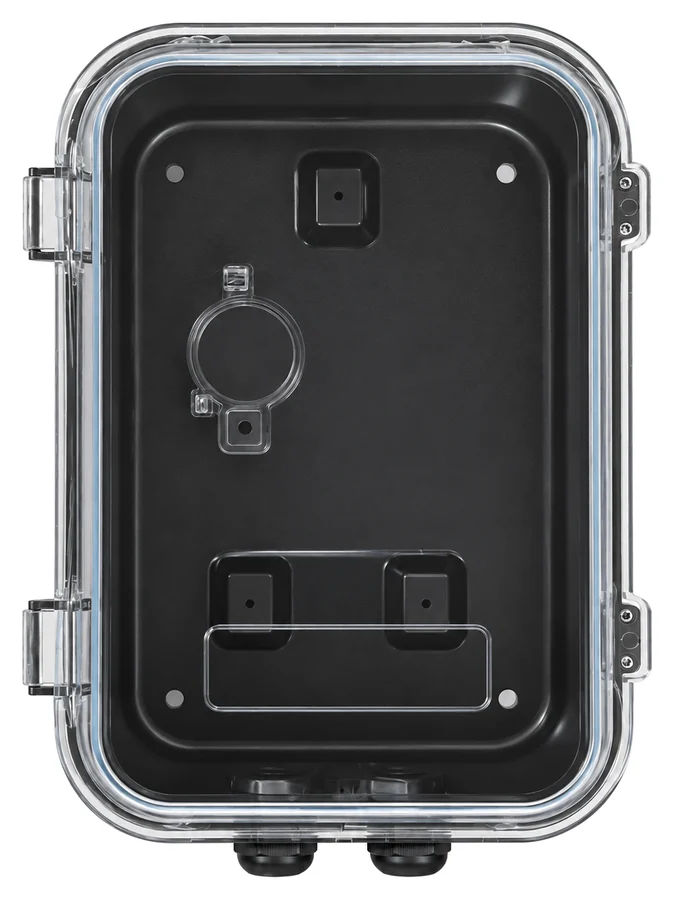
Connectors and terminal parts
Connector bodies, terminal covers, junction box parts and interface components. They see repeated assembly, vibration and heat, so they are usually molded in nylon or PBT, often glass-filled.
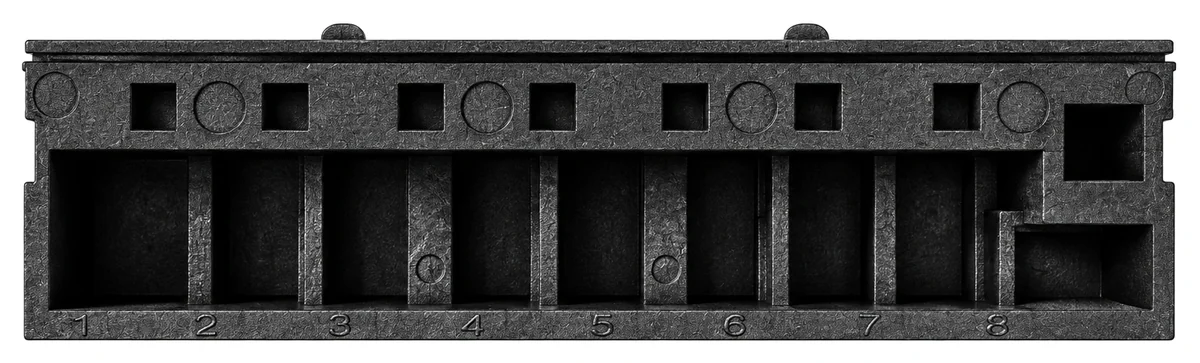
Sensor, switch and control parts
Sensor housings, switch components, relay covers and control module housings, where dimensional accuracy and long-term stability matter more than anything else.
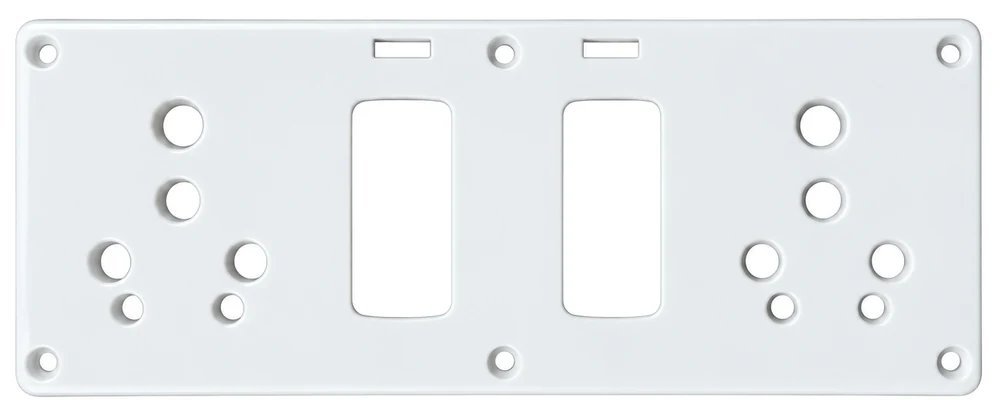
Structural and custom parts
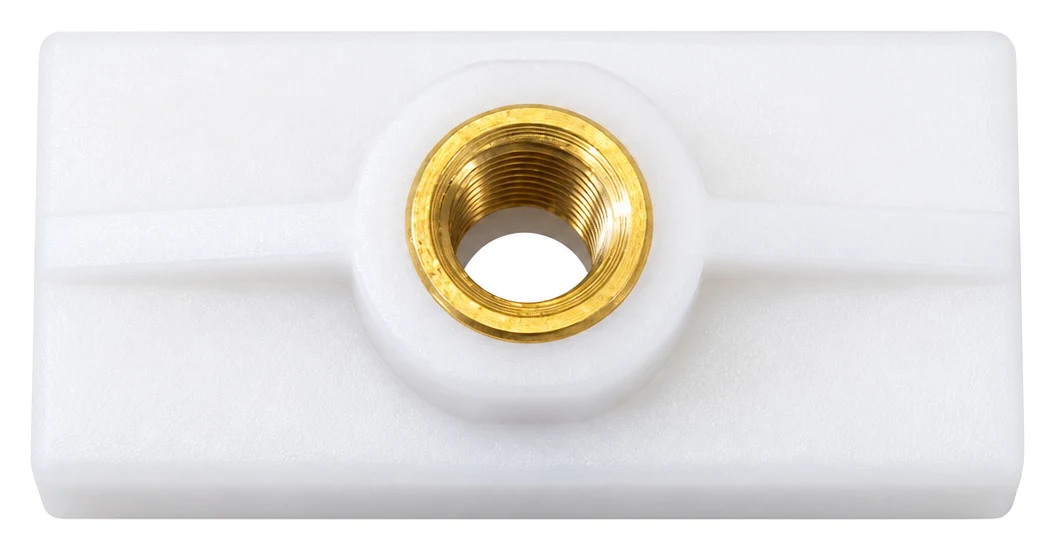
Mounting brackets, insulating components, assembly interfaces and other application-specific parts in reinforced engineering polymers.
Capabilities at a Glance
| Materials | ABS, PC, PC-ABS, PA6, PA66, glass-filled nylon, PBT, PBT GF, POM, PP |
| Part weight | 0.5 g to 1.3 kg |
| Machines | 60T to 450T, molds up to 750 × 750 mm |
| Services | DFM review, in-house tooling, production, assembly support |
| Quality | ISO 9001:2015 and ISO 14001:2015 |
| Location | RIICO Industrial Area, Karoli, Bhiwadi, Rajasthan |
Which Material for Which Part
Electrical parts need some mix of insulation, heat resistance, strength and dimensional stability. The right choice depends on the job, not the resin price. These are the pairings we use most often:
| Part | Usual material | Why |
|---|---|---|
| PCB and device housings | ABS, PC-ABS | Toughness, stable dimensions, good finish |
| Meter and electrical enclosures | PC-ABS, PC | Strength, heat resistance, clear windows in PC |
| Connector bodies | PA66, PA66 GF30, PBT | Insulation and mechanical strength |
| Terminal covers | PA66 GF30 | Heat resistance and rigidity |
| Sensor housings | PBT, PBT GF30 | Low moisture absorption, stable dimensions |
| Brackets and structural parts | PA66 GF30, PBT GF30 | Stiffness under load and heat |
| Low-friction moving parts | POM | Wear resistance, precision |
For a fuller comparison see our plastic materials guide, or answer five questions in the material selection tool for a shortlist.
What We Check Before Tooling
Most production problems in electrical parts are decided at the design stage, so every project starts with a DFM review. The points that matter most for electrical components:
- Heat: Parts near power electronics, transformers or motors need a grade that holds its properties at operating temperature.
- Moisture: Nylon absorbs moisture and grows; for humid environments or tight tolerances, PBT or a moisture-conditioned nylon is the safer choice.
- Wall thickness: Even walls prevent sink marks and warpage, and keep cooling predictable.
- Snap-fits, bosses and connector interfaces: Designed for both strength and moldability, so parts assemble without rework.
- Glass-filled grades: The fibres align with flow, so shrinkage differs along and across the flow. We manage this through gate position and processing to keep parts flat.
- Critical dimensions: Identified up front so tooling and process controls are built around them, and held consistent across every cavity.
Smart Meter Casing Case Study
We designed a 12-part smart meter casing for a client, tooled it in our toolroom and now produce it in volumes above 100,000 units. Handling the design and the tools together let us build fit, sealing and dimensional consistency into every part from the start.
Read the smart meter casing case study →Frequently Asked Questions
Which materials do you mold for electrical parts?
ABS, PC, PC-ABS, PA6 and PA66 (including glass-filled), PBT and PBT GF, POM and PP. The right one depends on temperature, strength, insulation and dimensional requirements.
PA66 GF30 or PBT GF30?
PA66 GF30 where strength and heat resistance come first; PBT GF30 where low moisture absorption and dimensional stability matter more, such as sensor housings.
Can you help with the design, not just the molding?
Yes. Every project starts with a DFM review, and we design and build the mold in-house, so design, tooling and production decisions are made together.
What tolerances can you hold?
It depends on the geometry, material and part size. Tell us which dimensions are critical and we will confirm what is achievable during DFM review, then build the tooling and process controls around them.
Have an Electrical Component Project?
Share your drawings, specifications or material requirements and our team will come back with how Prismatech can support your project, along with a quotation.